
Editing 360 Video in VR

      2 Comments on Editing 360 Video in VR

In the previous post we have looked at the process of shooting 360 video, and getting it processed into a single stitched equirectangular file.  Now we will look at what we can do with that imagery once it is formatted correctly.  Premiere has quite a few options for VR, with even more 360 editing functionality made possible through a variety of plugins that are available.
Continue reading

Samsung Gear 360 (2016 Model)

      2 Comments on Samsung Gear 360 (2016 Model)

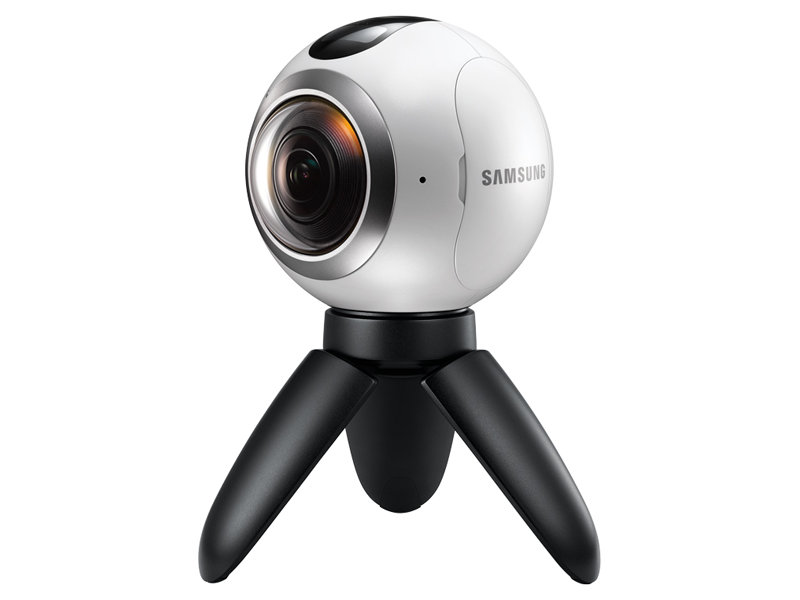
The first step in creating 360 videos, is recording with a 360 degree camera systems. These currently range in price from $100 to hundreds of thousands. Most of the basic principles of shooting and editing 360 VR are exactly the same for all of those systems, so it makes sense to start experimenting and learning with something that is not as expensive.  The simplest and cheapest 360 camera option I have found is the Samsung Gear 360.  There are two totally different models with the same name, usually differentiated by the year of their release.  I am using the older 2016 model, which has a higher resolution sensor, but records UHD instead of the slightly larger full 4K video of the newer 2017 Model. Continue reading

Virtual Reality and 360 Video

      2 Comments on Virtual Reality and 360 Video

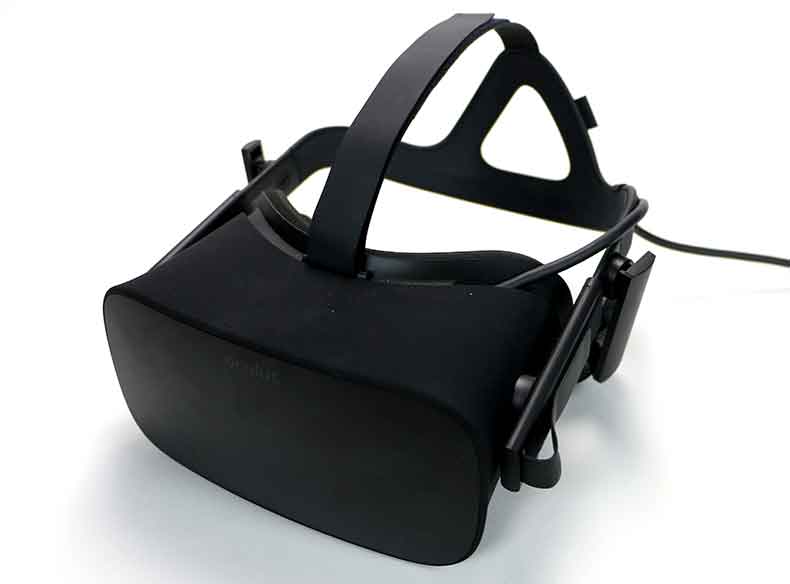
VR headsets have been available for over a year now, and more content is constantly being developed for them.  We should expect that rate to increase as new headset models are being released from established technology companies, prompted in part by the new VR features expected in Microsoft’s next update to Windows 10.  As the potential customer base increases, the software continues to mature, and the content offerings broaden.  And with the advances in graphics processing technology, we are finally getting to a point where it is feasible to edit videos in VR, on a laptop.
Continue reading

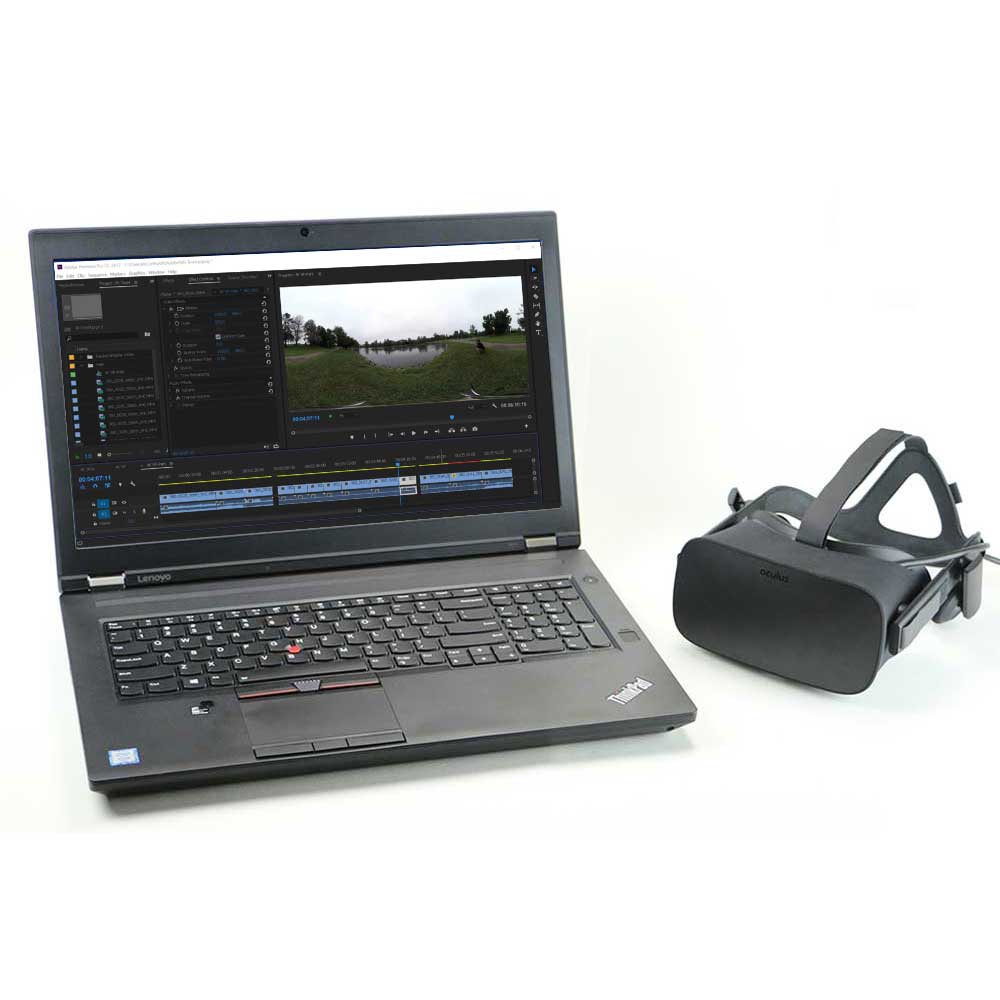
Lenovo ThinkPad P71 Mobile Workstation

      No Comments on Lenovo ThinkPad P71 Mobile Workstation

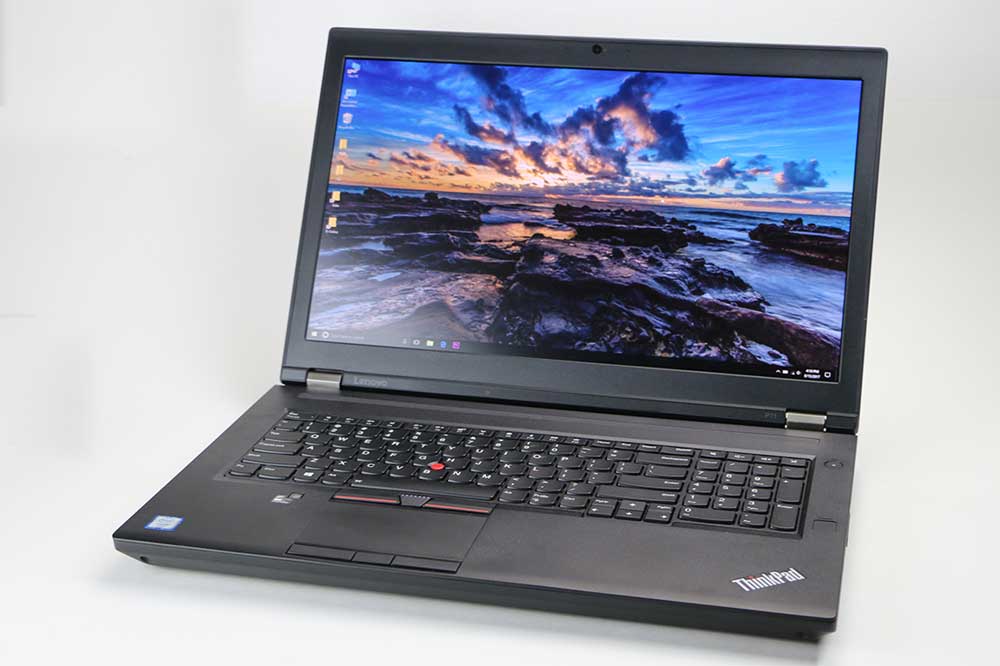
Lenovo was nice enough to send me their newest VR-Enabled mobile workstation to test out on a VR workflow project I am doing.  The new Thinkpad P71 is a beast with a 17” UHD IPS screen.  The model they sent to me was equipped with the fastest available processor, a Xeon E5-1535M v6 with 4 cores processing 8 threads at an official speed of 3.1Ghz.  It has 32GB of DDR4-2400 ECC RAM, with two more slots allowing that to be doubled to 64GB if desired.  The headline feature is the NVidia Quadro P5000 Mobile GPU, with 2048 CUDA cores, fed by another 16GB of dedicated DDR5 memory.  Continue reading

NAB 2017

      No Comments on NAB 2017

I did make it to NAB this year, but haven’t had a chance to post since I got back a week ago. HDR and 360 video are where the main innovations could be found this year. Everyone is announcing support for HDR workflows and files, as television moves towards utilizing the capabilities offered by Rec.2020. There are still lots of confusing aspects to the various options and color spaces to get there, but everyone is looking towards an HDR future. The was an entire VR pavilion, mostly focused on 360 video production and workflows. This is as opposed to true Virtual Reality, which requires synthetic rendering to provide the viewers perspective. 360 video allows viewers to explore the world from a fixed point, where the camera originally recorded from.
Continue reading

Dell Precision 7910 Tower Workstation Review

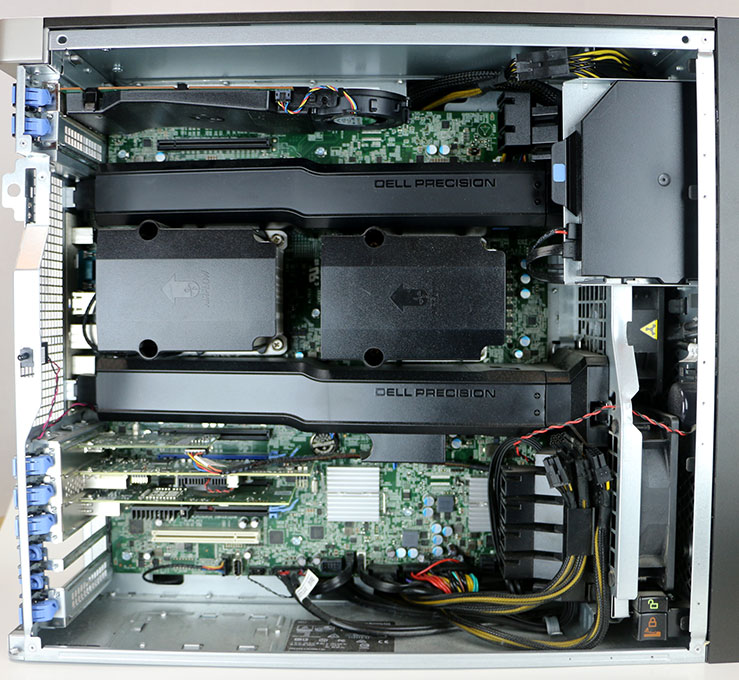
While I started out my career on Dell Precision Workstations when I was in college, I have spent the last ten years with HP Workstations under my desk. They have served me well, which is why I used them for five generations.  But at the beginning of 2016, I was given the opportunity to do a complete hardware refresh for director Scott Waugh’s post house Vasquez Saloon, to gear up our capabilities to edit the first film shot for Barco Escape and edited fully in 6K.   We ended up with Dell Precision 7910 workstations under our desks.  After having a chance to use them for a year, I decided it was time to share some of my experiences with the top end Precision workstation.
Continue reading

Windows ProRes Encoding

      No Comments on Windows ProRes Encoding

ProRes is a Quicktime codec that was first released in 2007. It uses DCT based compression to store 10bit 422 HD video data in an efficient format. It was basically Apple’s version of Cineform, which had offered an identical feature set and compression ratios since 2002. This trend continued as both eventually released support for 12bit 444 data with alpha, and then expanded resolution support to 2K, 4K and beyond.  As a PC based editor, I was a long time advocate for Cineform’s codec and tools.  But with a large existing Final Cut user base, ProRes received much wider industry acceptance than Cineform did, despite having no major technological advantages, and being initially limited to OSX systems, with FCP installed.  Apple released free Quicktime playback codecs a year later for both OSX and Windows, which probably accelerated adoption throughout the industry. But ten years later, and after the official deprecation of Quicktime on Windows, it is still a challenge to encode ProRes files on Windows systems. Continue reading

New Pascal based Quadro GPUs

      No Comments on New Pascal based Quadro GPUs

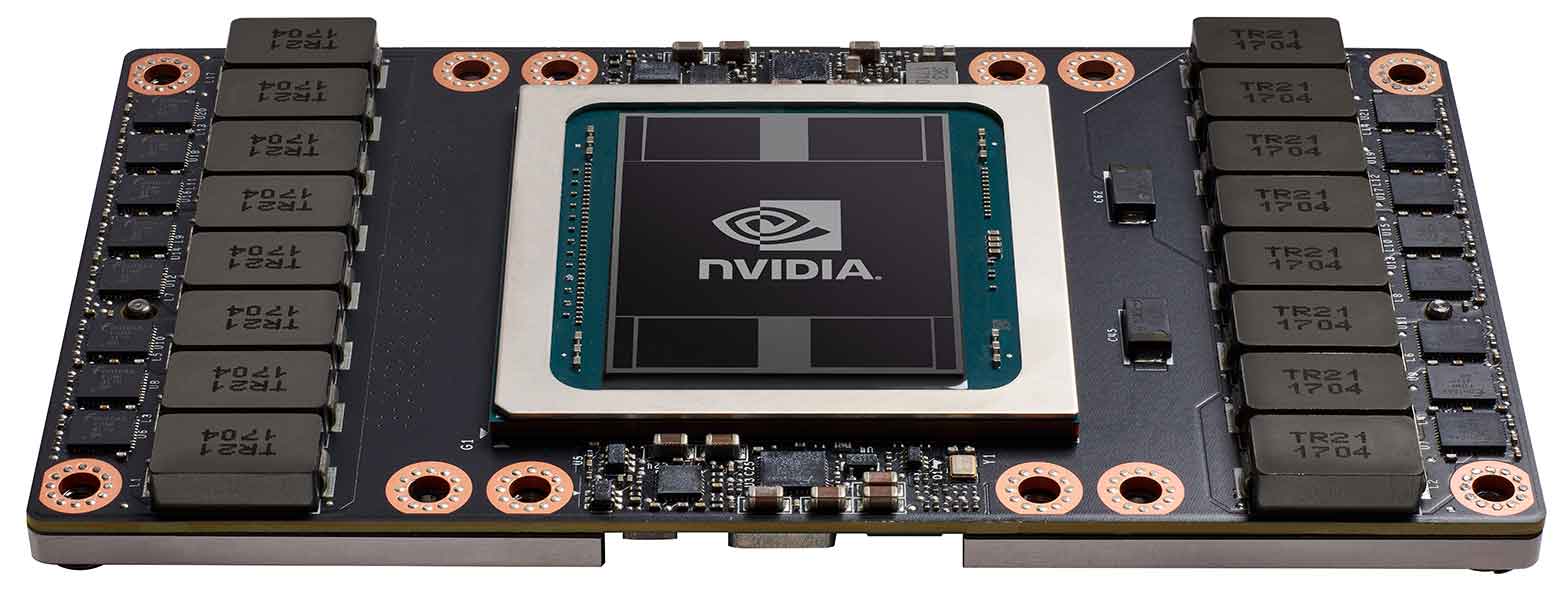
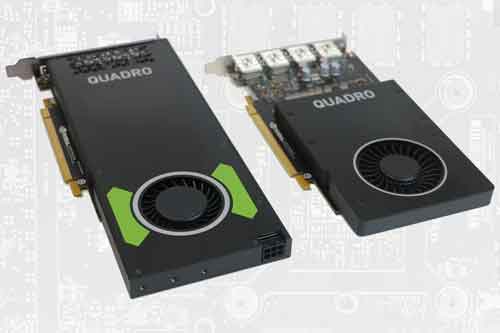
NVidia announced a number of new professional graphic cards today, filling out their entire Quadro lineup with models based on their newest Pascal architecture. At the absolute top end, there is the new Quadro GP100, which is a PCIe card implementation of their supercomputer chip. It has similar 32bit (graphics) processing power to the existing Quadro P6000, but adds 16bit (AI) and 64bit (simulation). It is intended to combine compute and visualization capabilities into a single solution. It has 16GB of new HBM2 (High Bandwidth Memory) and two cards can be paired together with NVLink at 80GB/sec to share a total of 32GB between them.
Continue reading

The Impact of Thunderbolt 3

      No Comments on The Impact of Thunderbolt 3

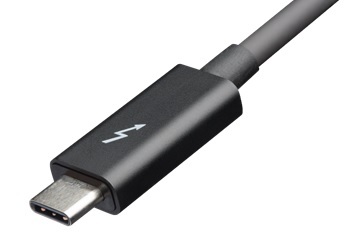
It has been quite a while since Intel’s much awaited LightPeak technology was introduced to consumers, originally in the form of Apple’s Thunderbolt interface. It is now in its third iteration, with Thunderbolt3 being 4 times as fast as the initial release.  The newest version also changed the physical interface from Mini-DisplayPort to USB-C.  This places us in that awkward phase where many Thunderbolt products aren’t backwards compatible with each other, and all of the ones that are require adapters.  USB3.1 is in a similar place, with USB-C connectors replacing USB-A, but there are cheap cables that interface between them, there are just a lot of permutations to account for.
Continue reading